Air conditioner freezing up in Mountain View, CA usually means something is blocking airflow or draining refrigerant, not that your unit is broken beyond repair. Ice on the coil is a symptom. The real problem is almost always upstream: a dirty filter, a closed vent, low refrigerant, or a thermostat that won't shut the system off. This guide breaks down exactly what's happening, how to thaw your AC safely today, and when troubleshooting on your own could cost you more than a service call.
What Causes an Air Conditioner to Freeze Up?
A frozen air conditioner is a symptom, not a diagnosis. Ice on the coil tells you something else in the system is malfunctioning: restricted airflow, low refrigerant, or a thermostat that isn't managing the cycle correctly.
In Mountain View's dry, mild summers, airflow problems can quietly build for weeks before the unit finally ices over, since the moderate heat doesn't force the system to work hard enough to reveal the issue right away. In our service calls across the South Bay, the pattern we see most often in early fall is a thermostat still set for peak-summer cooling while overnight lows drop, which pushes the coil colder than it needs to run. Below are the four most common root causes.
Dirty Air Filter
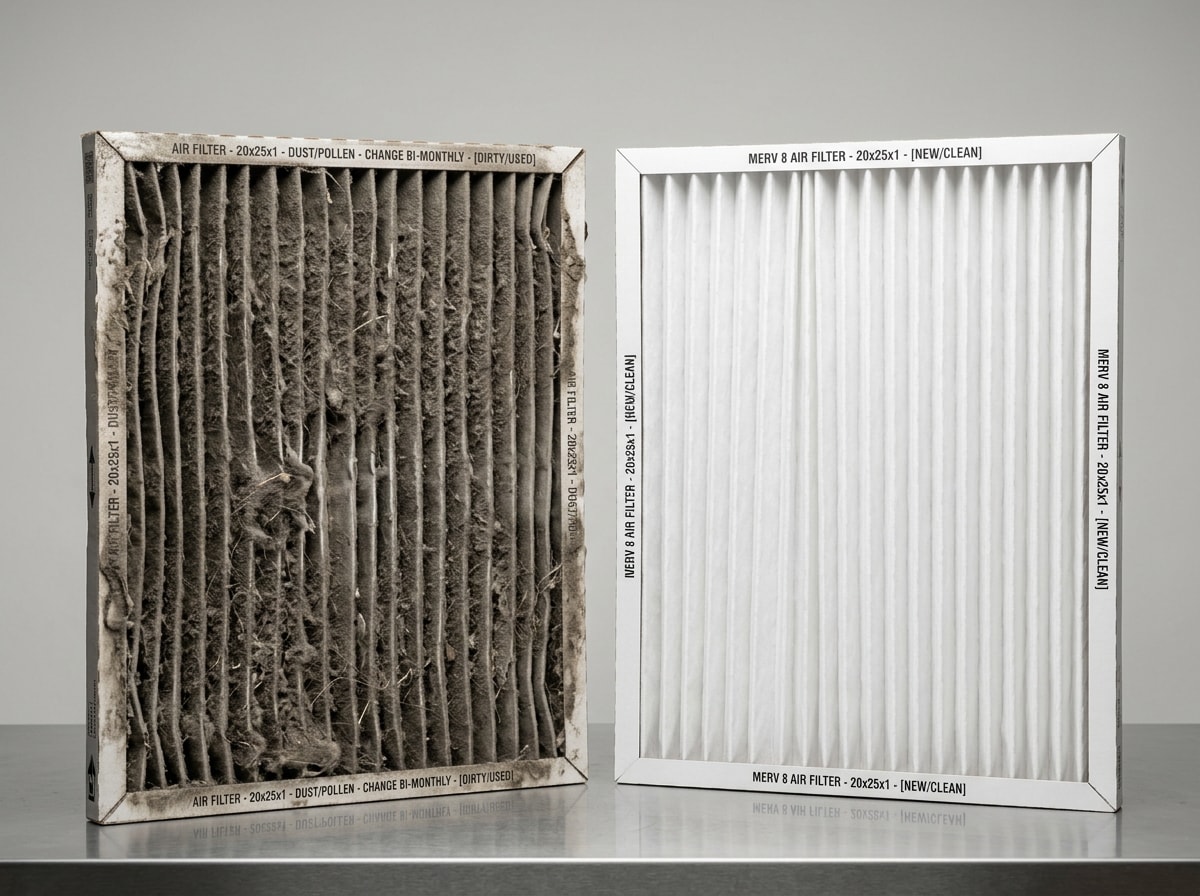
This is the number one culprit behind a frozen AC. A clogged filter restricts airflow over the evaporator coil, and the coil becomes too cold and starts to ice over.
Less warm air moving across the coil means the coil's surface temperature drops below 32°F, and condensation on it freezes instead of draining away.
Most households should check filters monthly and replace them every 60 to 90 days, but Mountain View's dusty, dry summer air can shorten that window. Inspect, clean, or change air filters once a month in your central air conditioner, furnace, and/or heat pump. A quick self-check: hold the filter up to a light source. If you can't see light passing through it, it's overdue for replacement. Pay attention to the MERV rating too. A rating that's too high for your system can actually restrict airflow even with a clean filter.
Blocked Vents or Registers
Blocked return vents reduce flow over the evaporator coil, so every return vent should stay clear of obstructions and debris. Furniture pushed against a return, a rug covering a floor vent, or rooms with registers closed to "save energy" are all common offenders.
Keeping vents open throughout the house, even in unused rooms, helps maintain the balanced airflow your system was designed around. If this keeps happening despite clear vents, the restriction may be inside the duct system itself, and it's worth having a technician run a duct inspection to check for crushed or leaking sections.
Low Refrigerant from a Leak
Refrigerant doesn't get "used up" like fuel. It's sealed inside the system. If levels are low, that means there's a leak somewhere, and the drop in system pressure causes the evaporator coil temperature to fall too low, leading to ice buildup.
This isn't a DIY fix. Locating a refrigerant leak requires specialized detection equipment, and handling refrigerant is federally regulated. Certification is required for anybody who in the course of maintenance, service, or repair of an appliance could be reasonably expected to violate the integrity of the refrigerant circuit and therefore release refrigerants into the environment. That's part of why this particular cause always routes back to a licensed technician rather than a weekend project. If you suspect a leak, our refrigerant leak repair team can pressure-test the system and find the source.
Faulty or Broken Thermostat
A malfunctioning thermostat can also cause an evaporator coil to freeze. If it's not telling the AC unit to shut down as temperatures fall, the system keeps running past the point where it should rest, and the coil keeps getting colder.
This is a common pattern when coils are only frozen in the morning after running overnight. Incorrect fan-speed settings and poor thermostat placement, such as too close to a vent or in direct sun, can compound the problem.
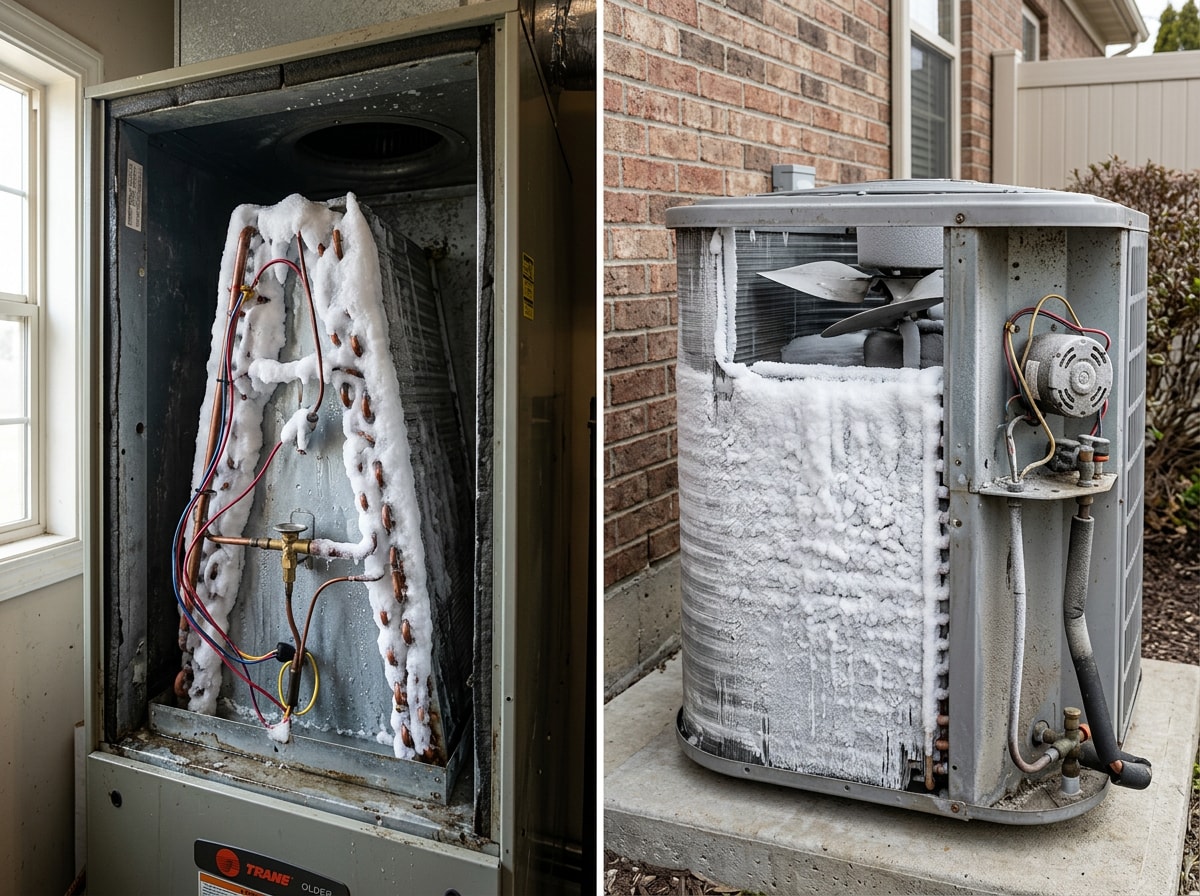
Frozen Evaporator Coil vs. Frozen Condenser Coil (Outdoor Unit)
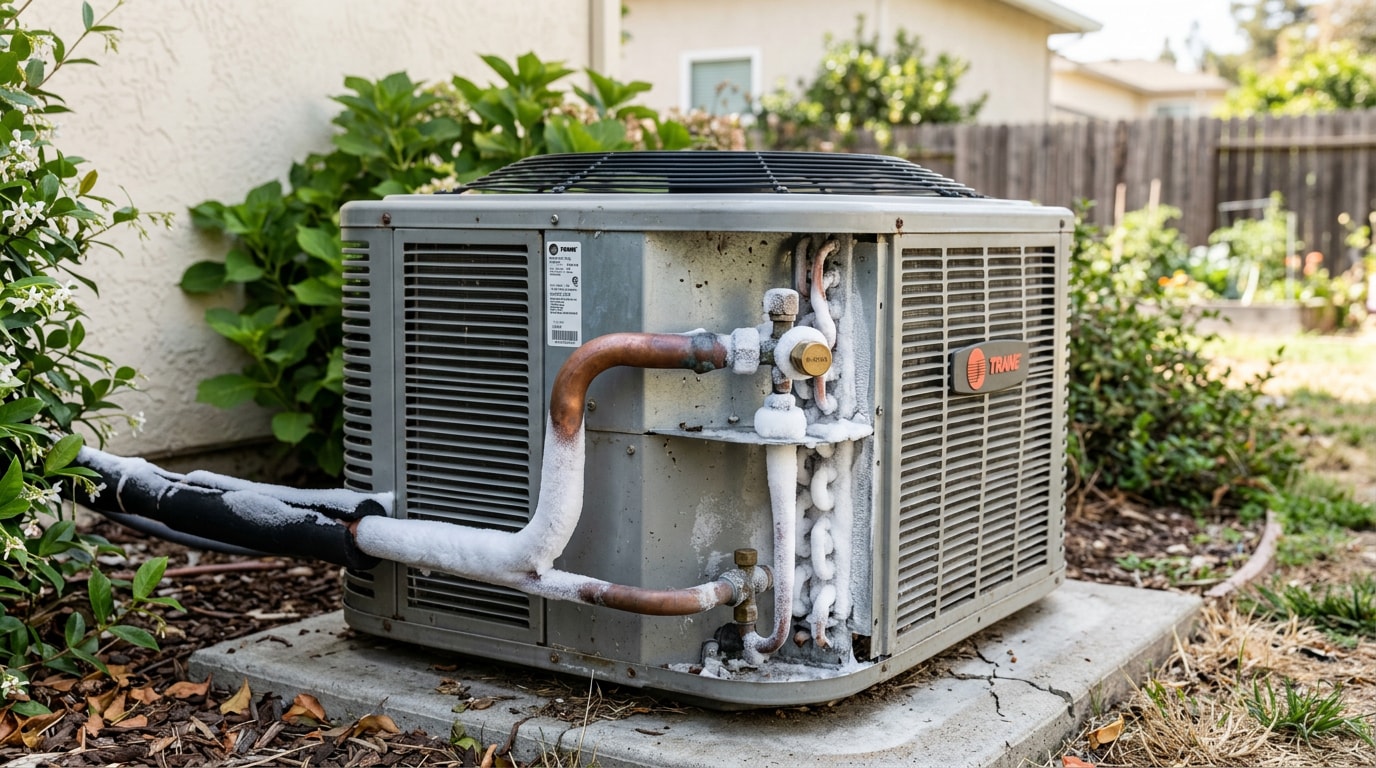
Not all "frozen AC" ice is in the same place, and the location changes both the likely cause and how urgently you should act. Many homeowners assume all coil ice means the same problem, but indoor evaporator ice and outdoor condenser ice point to very different issues.
Outdoor coils on an AC unit are unlikely to freeze in the summer, but they can freeze up during heat pump heating , which matters in Mountain View since many Bay Area homes now run heat-pump mini-splits that operate in both directions. If your outdoor unit ices up on a cool morning, the heat pump will operate in the defrost cycle until the outdoor coil temperature reaches around 57° F , and the outdoor fan typically stays off during that cycle to help the coil warm faster.
| Indoor Evaporator Coil | Outdoor Condenser Coil | |
|---|---|---|
| Where ice appears | Indoor unit or air handler | Outdoor compressor/condenser |
| Likely cause | Airflow restriction, low refrigerant | Heat pump defrost failure, cold-weather operation |
| Urgency | Moderate — shut off and diagnose | Usually self-resolves via defrost cycle |
| DIY-safe? | Thaw and filter check, yes; refrigerant, no | Mostly no — stuck defrost controls need a technician |
For a closer look at the mechanics, InterNACHI has a clear breakdown of how the heat pump defrost cycle works.
What to Do When Your Air Conditioner Freezes Up
Thawing a frozen AC is a process, not an instant fix. The priority is stopping further damage first and figuring out the cause second.
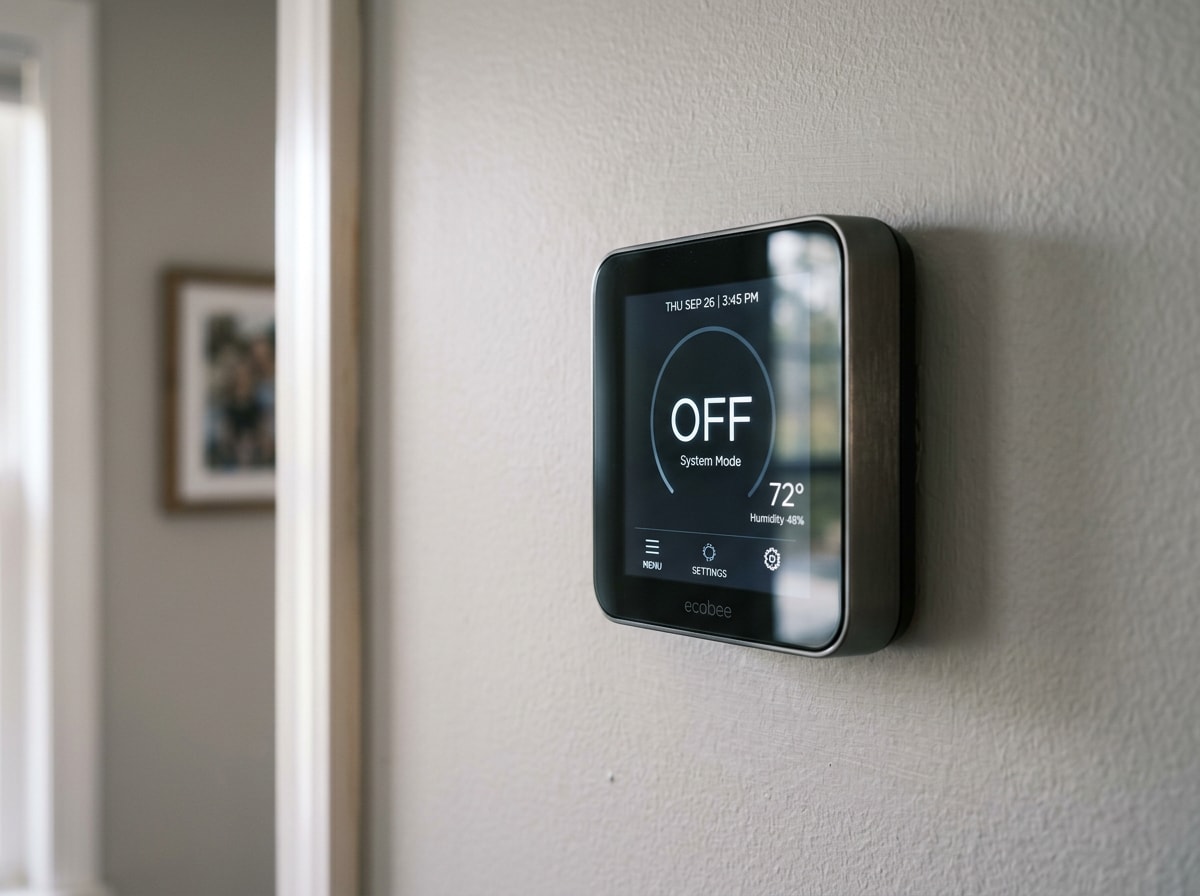
- Switch your thermostat from cool to off. Frozen AC coils can be dangerous for your compressor, one of the most valuable and expensive parts of your HVAC system, and running it while frozen risks liquid refrigerant reaching parts that should only ever see gas.
- Check the fan blades for frost. If frost is visible, avoid fan mode until it clears; running it with frost can damage the blower.
- Let it thaw fully. This can take anywhere from one to several hours depending on how much ice has built up. Patience matters more than speed here.
- Find the cause before restarting. There can be several reasons an air conditioner freezes up, so the cause needs to be identified or the coil will simply freeze again. Work through the filter, vents, and thermostat settings covered above before assuming it's a refrigerant issue.
- Restart in cool mode once it's resolved. If none of the self-checks fix it, it's time to loop in an AC repair technician.
If the diagnosis is going to take more than a day and your business can't run without cooling, it's worth knowing your options. Our guide on temporary air conditioning rental in Milpitas covers how local businesses bridge that gap while a repair gets scheduled.
Preventive Measures to Avoid Future Freeze-Ups
- Clean or replace air filters every 1 to 2 months, especially during periods of heavy use, since dirty filters are the top cause of a frozen AC.
- Check vents regularly to confirm they're not blocked by furniture, rugs, or closed registers.
- Keep the outdoor unit clear of leaves, dirt, and overgrown landscaping so the condenser can exchange heat properly.
- Schedule a pre-summer tune-up before the first real heat wave rather than waiting for a breakdown.
Checking thermostat settings and inspecting, cleaning, or changing air filters are both part of a standard seasonal checkup, alongside a refrigerant level check.
Given how long the cooling season runs in the Bay Area, routine AC maintenance is generally far cheaper than an emergency repair call. ENERGY STAR's maintenance checklist is a solid reference if you want to track what a full tune-up should include.
When to Seek Professional Assistance
Some fixes are safe to handle yourself: checking and replacing a filter, clearing blocked vents, and simply thawing the unit while it's off. Others, like refrigerant leaks, blower motor failures, and electrical faults, require a licensed technician with the right tools and certifications.
Repeatedly running a frozen system to "push through" a cooling need risks real compressor damage, which is a far more expensive repair than the original problem. Refrigerant work in particular isn't optional to outsource. The EPA requires certified technicians for refrigerant handling due to both safety and environmental regulations, and EPA's Section 608 program spells out exactly who's allowed to touch a sealed system.
If you've worked through the filter, vents, and thermostat checks and the ice keeps coming back, get a free estimate and we'll send a technician out to find the actual cause instead of guessing.
About the Author
This guide was reviewed by Marcus Webb, Lead Service Technician at Made Simple Heating & Air, an EPA 608 Universal-certified HVAC technician who has diagnosed frozen AC systems across Mountain View, Sunnyvale, and the surrounding South Bay for over a decade. Questions about a specific system? Contact our team directly, or find service details for your area on our Mountain View, CA page.
FAQ
How Do I Unfreeze My Air Conditioner?
Turn the thermostat off and switch the fan to "off" if frost is visible on the blades, then let the unit sit undisturbed. Once the ice is fully melted, check the filter and vents before restarting in cool mode.
How Long Does It Take for a Frozen AC to Thaw?
A frozen air conditioner can take anywhere from an hour to a full day to thaw completely, depending on how much ice has built up and the size of the unit. Heavier ice buildup naturally takes longer to clear.
Why Is My AC Freezing Up All of a Sudden?
Sudden freezing almost always points to restricted airflow, such as a dirty filter, closed vents, or a weak blower, or to low refrigerant. Both conditions cause the evaporator coil to run colder than it should.
Will My AC Fix Itself If I Just Leave It Alone?
No. The ice may melt once the system is off, but it will freeze again as soon as it's turned back on unless the underlying cause, like a dirty filter or a refrigerant leak, is actually fixed.
Is a Frozen AC Unit a Serious Problem?
It's not an emergency if you catch it and shut the system off promptly, but repeated freezing signals a real underlying fault. Ignoring it risks permanent compressor damage, which is a far costlier repair than addressing the root cause early.