If your hot water heater pilot light keeps going out in Milpitas, CA, you've probably relit it once or twice already, only to watch it die again a few hours later. That's not bad luck. It's almost always a safety device doing its job or an airflow and fuel problem working against the flame. Below, we'll show you how to tell which one you've got, how to fix it safely, and when relighting it yourself stops making sense.
Common Causes of a Water Heater Pilot Light That Keeps Going Out
A pilot that won't stay lit traces back to one of six recurring issues. Ruling them out in order beats guessing.
Dirty or Faulty Thermocouple
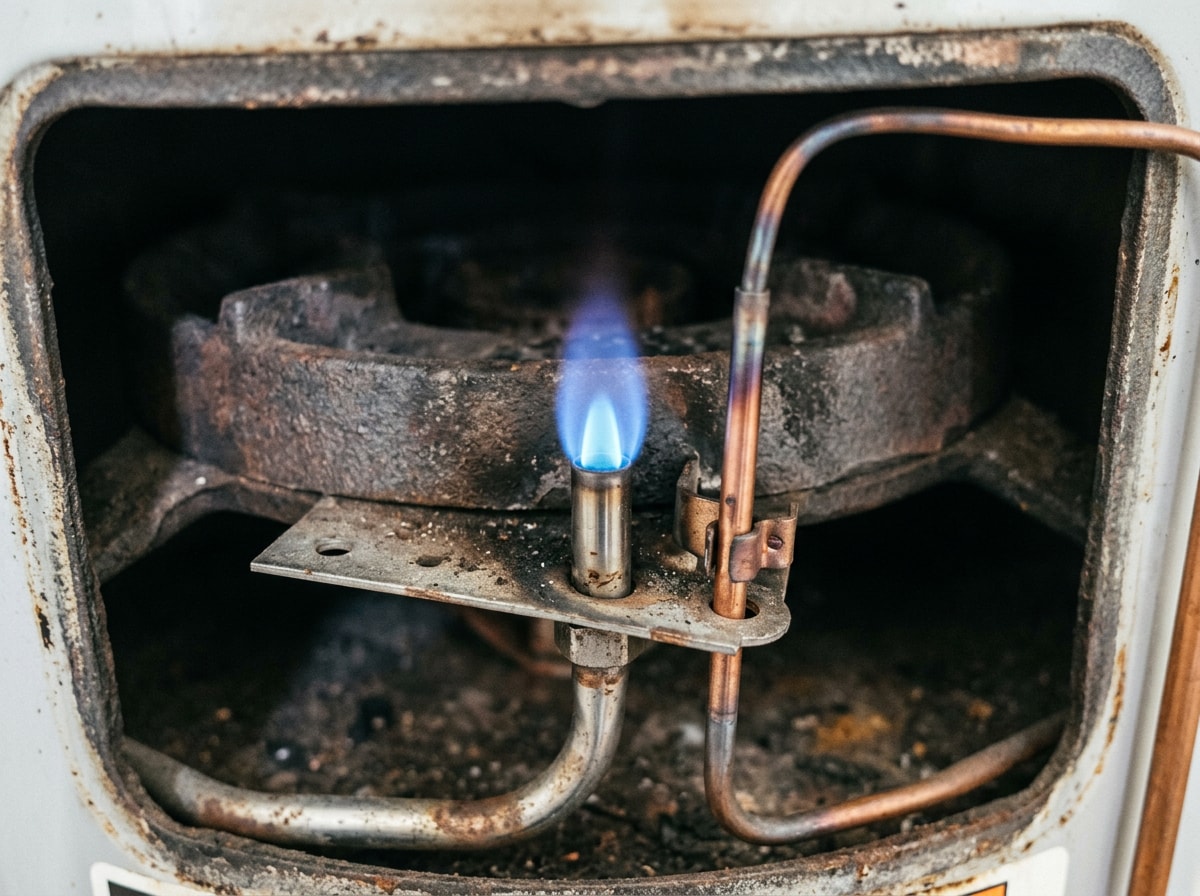
A thermocouple is a small safety sensor that confirms the pilot flame is burning and tells the gas valve to stay open. When it's dirty, bent out of position, or worn out, it can falsely signal that the flame is out and cut the gas even while the pilot is lit fine.
Cleaning the thermocouple tip with fine sandpaper or a soft cloth sometimes solves it. A worn unit needs replacement.
The thermocouple exists specifically as a gas shutoff safeguard, and public safety agencies treat proper venting and appliance servicing of gas-fired water heaters as a core defense against carbon monoxide buildup homeowners should have their heating system, water heater, and any other gas, oil, or coal burning appliances serviced by a qualified technician every year .
Dirty or Clogged Pilot Tube
Dust, rust flakes, or insect debris can work into the narrow pilot orifice over time, restricting gas flow. A clogged tube often produces a weak, sputtering flame that's more vulnerable to going out from the slightest draft.
A healthy pilot flame burns steady blue. A yellow or orange flame usually signals a dirty pilot tube or orifice that isn't getting clean combustion.
Drafts & Improper Venting or Airflow
Pilot flames are sensitive to air movement. An open window near the utility closet, a door left ajar, or poor airflow through the vent or flue can all starve the pilot of stable combustion air and snuff it out.
Loose or missing access panels are another easy-to-miss draft entry point. They're meant to seal the compartment but often get left off-kilter after a prior repair. Gas-fired water heaters depend on a minimum volume of indoor or outdoor combustion air sized to the appliance's BTU input, a requirement spelled out in model fuel gas codes adopted across most U.S. jurisdictions the indoor combustion air methods outlined in the International Residential Code require 50 cubic feet per 1,000 Btu/hr under the Standard Method . In practice, that means a water heater crammed into a small, sealed closet with a weatherstripped door is working against the code's own math.
Condensation
Some condensation around a water heater is normal, especially in colder months, but excess moisture dripping into the pilot assembly can extinguish the flame. This shows up more in humid or poorly ventilated utility spaces.
Gas Supply or Pressure Problems
Low or fluctuating gas pressure can make a pilot flicker weakly or die out, even when everything else works correctly. Before assuming a part has failed, confirm the gas shutoff valve leading to the water heater is fully open. A partially closed valve restricts flow just enough to cause intermittent pilot problems.
Worn-Out Parts
Over years of use, the pilot tube, igniter, and gas control valve gradually degrade. This usually shows up as increasingly inconsistent pilot performance that's harder to fix with simple cleaning.
Quick symptom-to-cause reference:
| What You Observe | Most Likely Cause |
|---|---|
| Pilot dies the instant you release the reset button | Dirty or failing thermocouple |
| Pilot holds, but main burner won't fire | Faulty gas control valve |
| Flame flickers or leans before dying | Draft or airflow problem |
| Flame burns yellow or orange, not blue | Dirty pilot tube or orifice |
| Moisture visible near the burner compartment | Condensation or a nearby leak |
| Pilot relights fine but fails again within hours, repeatedly | Worn internal parts or persistent gas pressure issue |
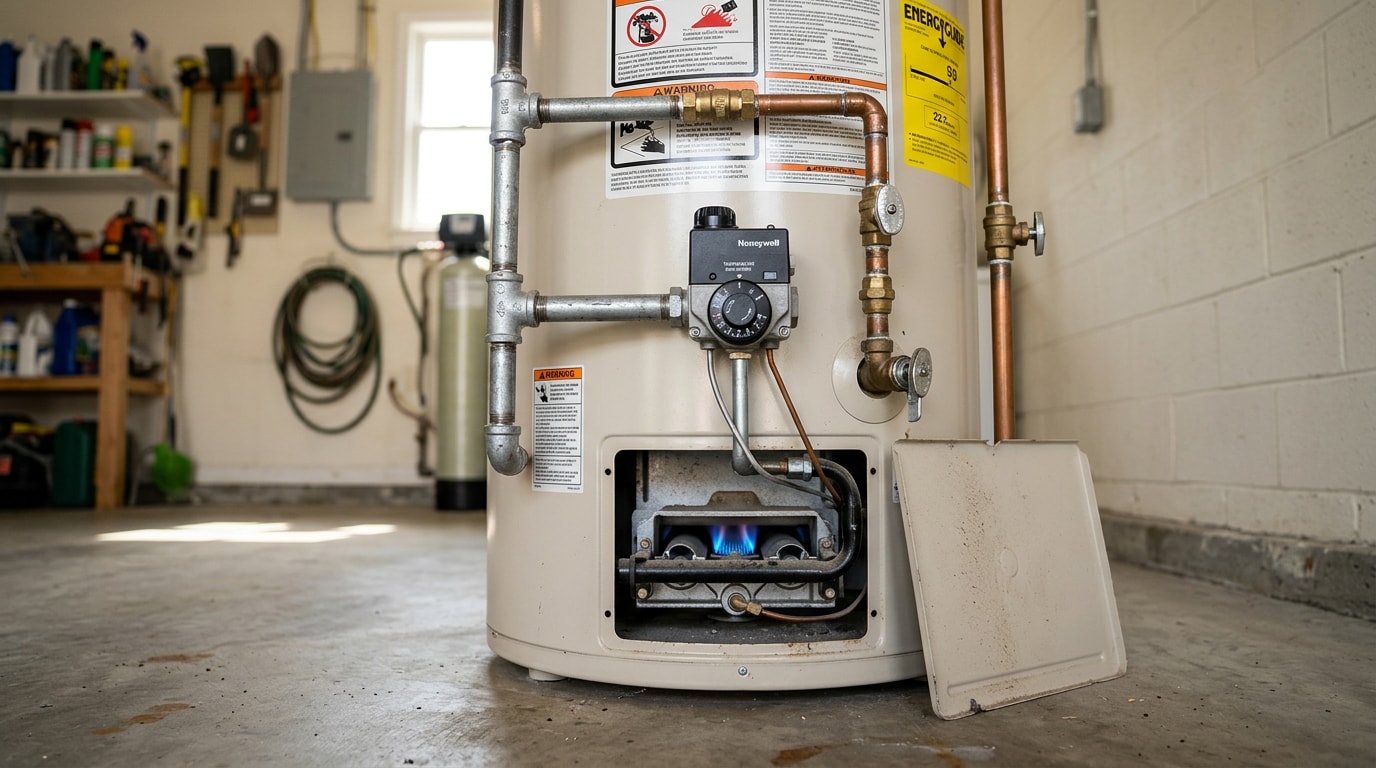
Many Milpitas homes keep the water heater in an attached garage, often tucked near an overhead door that gets opened and closed daily. That constant air movement is one of the more common local draft sources we see, separate from the humidity-driven condensation issues more typical of basements in colder climates.
How to Diagnose and Fix a Water Heater Pilot Light Issue
Safety comes first. If you smell gas, turn off the gas supply at the shutoff valve immediately, leave the area, and do not attempt to relight anything until the smell is gone.
Once you're confident there's no gas odor, follow these steps:
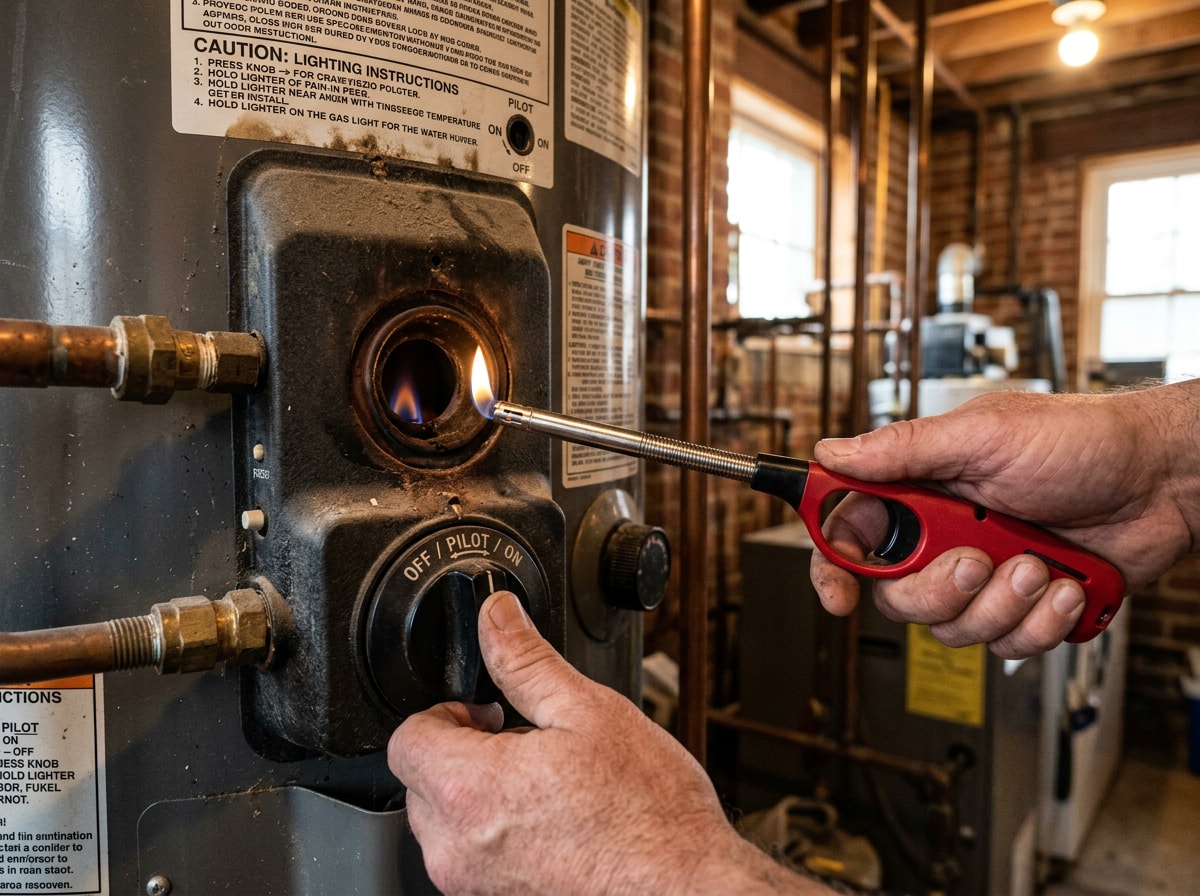
- Locate the gas control valve on the water heater and turn the dial to "pilot."
- Using a long lighter, hold the flame near the pilot opening while pressing and holding the reset or pilot button.
- Keep the button held down for roughly 30 to 60 seconds after the flame catches, giving the thermocouple time to heat up.
- Release the button slowly and confirm the pilot stays lit on its own.
- Turn the dial back to the "on" position.
If the pilot won't catch after a few attempts, or it goes out again within minutes, that pattern points to something beyond a simple relight. Our heating repair team can diagnose the thermocouple, gas valve, and venting in one visit.
Preventing Future Pilot Light Problems
Routine upkeep goes a long way toward avoiding repeat outages between service visits.
- Have the pilot tube and thermocouple cleaned annually, especially in dusty garages or utility closets.
- Keep the area around the water heater clear of stored boxes or debris that can block combustion air.
- Check the access panel seal after any nearby repair work to rule out a new draft path.
- Watch the flame color at a glance: steady blue is healthy, yellow or orange is not.
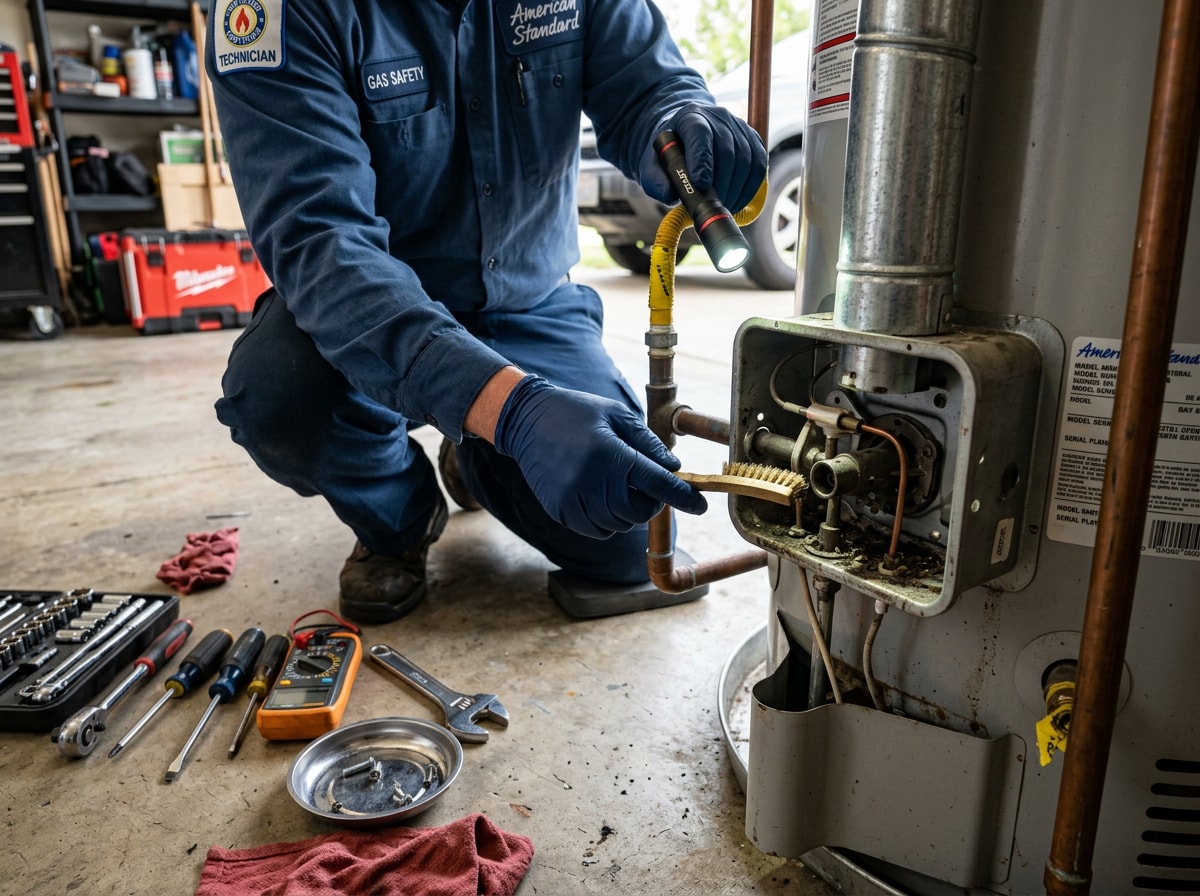
A yearly tune-up through our heating maintenance service catches a slightly dirty thermocouple or a degrading pilot tube before it turns into a cold shower at 6 a.m. If you're also due for a broader seasonal check, our heating services cover furnaces and water heaters side by side, and the upkeep habits in our heating system maintenance guide for Los Gatos homeowners apply just as well in Milpitas.
When to Call a Professional
If you've gone through the relighting steps more than once or twice and the pilot still won't stay on, that's a deeper issue, not a fluke. A consistently failing pilot often points to a bad thermocouple, a failing gas valve, or a water heater nearing the end of its service life.
Continuing to relight it yourself usually just delays a repair a technician could resolve quickly and safely. If your unit is older and showing other symptoms, rust, rumbling noises, inconsistent hot water, it may be worth discussing replacement rather than another repair. Our heating installation team can walk you through that decision without pressure.
Homeowners in the area can visit our Milpitas service page or get a free estimate to schedule a diagnostic visit. You can also browse our full range of work on the homepage.
FAQ
Is It Dangerous if the Pilot Light Goes Out on a Water Heater?
A single outage is generally low-risk because the thermocouple is designed to shut off gas flow automatically once the flame is out, which prevents unburned gas from accumulating if the pilot light goes out, gas could still be flowing, but the water heater thermocouple, a safety device, will shut off the gas to prevent leaks . Repeated outages point to ventilation or gas-flow problems that deserve a professional look. Poor combustion or venting in gas appliances is a recognized pathway to carbon monoxide exposure, which is why carbon monoxide is an odorless, colorless gas that kills without warning and claims the lives of hundreds of people every year .
How Do I Know If My Thermocouple Is Bad?
The clearest sign is a pilot that dies the moment you release the reset or pilot button, since that means the thermocouple isn't holding the gas valve open on its own. A pilot that lights but never seems to "catch" on its own, even after a full 60-second hold, usually confirms it.
Can I Relight the Pilot Myself?
Yes, as a one-time attempt, following the manufacturer's label on the tank. If it holds, you're done. If it goes out again within minutes or won't catch after a couple of tries, stop and call a technician rather than repeating the cycle.
How Often Should I Check My Water Heater Pilot Light?
A quick monthly glance is reasonable for most households. Look for a steady blue flame. A yellow or orange flame is your cue to clean the pilot tube or schedule maintenance.
Can I Shower if the Pilot Light Is Out?
You can shower briefly on residual hot water already sitting in the tank, but it will turn lukewarm and then cold as that stored water cools. It won't heat again until the pilot is relit and the tank has time to recover.
Can I Leave My Hot Water Tank on Pilot?
Leaving the heater on the "pilot" setting keeps the pilot flame burning but prevents the main burner from firing, so the tank won't actively heat water. It's a reasonable option if you're away for an extended trip, but it's different from fully shutting the unit off.