Searching for auto air conditioning in Sunnyvale, CA usually means one of two things: a car that's blowing warm air, or a home system stuck on manual when it should be running smart, automatic climate control. This guide covers the second kind, the automatic AC technology built into Sunnyvale homes and small offices, from auto-mode thermostats to the federal rules now requiring automatic leak detection on many cooling systems. If it's your dashboard vents acting up, a local auto repair shop is the right call; if it's your house, keep reading.
What "Auto" Actually Means on a Home AC System
Most homeowners only use two thermostat settings: ON and OFF. The useful one is "Auto."
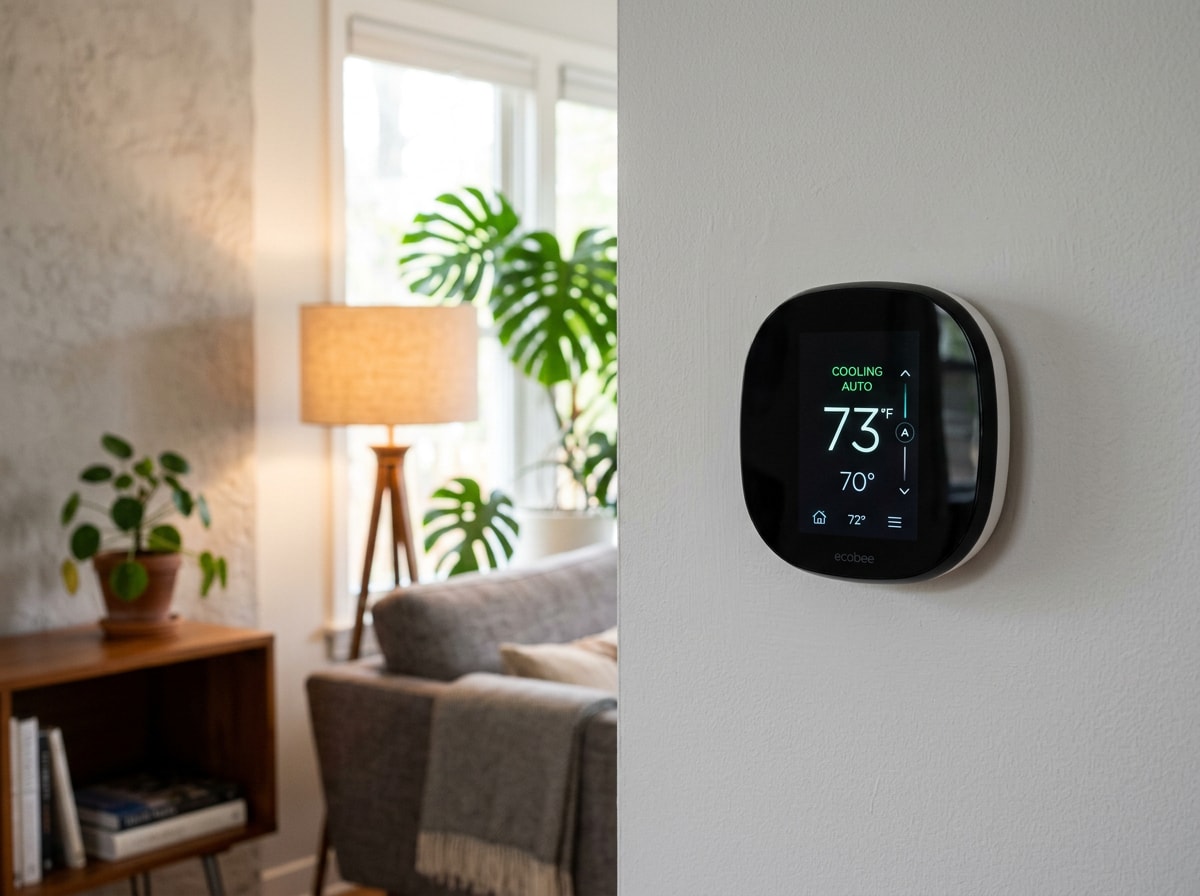
In Auto mode, the thermostat reads the room temperature and cycles the compressor and blower on and off automatically to hit your target setpoint. This is different from running the fan continuously, which wastes energy and can push humid air back into the house between cooling cycles.
Automatic control has expanded well beyond the thermostat. Larger commercial and multi-family systems in Sunnyvale are now subject to federal rules requiring automatic leak detection hardware, not just a technician's manual check. We cover that rule below because it's a 2026 change almost nobody searching this topic has heard about yet.
Signs Your Automatic AC Needs Repair
An AC system that's supposed to run automatically but won't respond correctly is usually telling you something specific:
- The thermostat calls for cooling, but the outdoor unit never kicks on
- Air runs constantly on Auto instead of cycling off once the setpoint is reached
- Warm air blows even though the system shows "Cooling"
- Ice forms on the indoor coil or refrigerant lines
- Utility bills climb with no change in usage
If you're seeing ice on the coil, that's a distinct problem with its own causes and fixes, covered in our guide on air conditioner freezing up. For everything else, a diagnostic visit through our air conditioner repair service checks the compressor, capacitors, refrigerant charge, and control board that automatic cycling depends on.
Automatic Leak Detection: The EPA Rule Taking Effect in 2026
Here's the information-gain nobody covers when they're writing about "auto" air conditioning: as of January 1, 2026, larger refrigerant-containing systems are now required to carry automatic leak detection equipment, not just undergo a periodic manual inspection.
Beginning on January 1, 2026, EPA's HFC Leak Repair and Management Rule comes into effect, placing mandatory leak detection and repair requirements on owners or operators of HFC-containing appliances that have a refrigerant charge of 15 pounds or greater. The rule, issued under the federal Emissions Reduction and Reclamation Program, specifically requires use of automatic leak detection systems for certain new and existing appliances , alongside new leak repair timelines and recordkeeping requirements.
That threshold mostly affects larger commercial rooftop units and multi-zone systems, less common in single-family homes, but it matters for Sunnyvale's office parks, retail buildings, and larger apartment complexes. If your property falls into that category, our refrigerant leak repair team can confirm whether your equipment's charge size puts you under the new requirement.
Automatic AC Installation, Replacement & Heat Pumps
New equipment makes automatic control genuinely automatic, rather than a thermostat fighting an undersized or mismatched system. A few things we check before recommending new equipment:
- Sizing – an oversized unit short-cycles no matter how good the thermostat is
- Refrigerant type – newer systems use lower-GWP refrigerants as part of the ongoing federal phasedown of high-GWP HFCs
- Compatibility – not every furnace or air handler pairs cleanly with a smart, auto-changeover thermostat
Our air conditioner installation and AC replacement services both start with a load calculation, not a guess based on square footage. For homes that want automatic heating-and-cooling changeover from a single system, a heat pump installation pairs naturally with a smart thermostat's auto mode year-round.
Smart Thermostats: The Easiest Automatic Upgrade
If your current system already runs fine but you're still adjusting the temperature by hand twice a day, a smart thermostat is the lowest-cost way to make your AC genuinely automatic.
Geofencing allows your thermostat to detect when you've left for the day to "set back" your HVAC system and save money on your A/C bill, and automatically adjust the temperature to ensure you arrive to a comfortable home. ENERGY STAR estimates that homes with high heating and cooling bills, as well as homes that are unoccupied for much of the day, can save approximately $100 a year with an ENERGY STAR certified smart thermostat.
| Thermostat Type | How It Controls Temperature | Automatic Features |
|---|---|---|
| Manual dial/switch | You set it, it stays until changed | None |
| Programmable | Follows a preset daily schedule | Time-based only |
| Smart / Wi-Fi | Learns habits, connects to an app | Geofencing, remote control, usage reports |
Automatic AC Maintenance Checklist
Automatic cooling still needs manual attention, just less of it, and on a schedule. The Department of Energy recommends treating maintenance as preventive, not reactive: consider leaving air conditioners off during unoccupied hours or using a programmable thermostat to minimize unnecessary operation of the unit, and keep up with regular maintenance such as charging refrigerant and replacing filters to maintain peak performance.
A typical seasonal visit through our air conditioner maintenance service covers:
- Filter inspection and replacement
- Refrigerant charge verification
- Thermostat calibration and auto-mode testing
- Condenser coil cleaning
- Electrical connection and capacitor check
Leaky, uninsulated ductwork also undermines automatic control, since the thermostat can't hit its target if conditioned air is escaping before it reaches the room. Duct sealing is a frequent companion fix when a "working" AC still can't maintain an even temperature on Auto.
Serving Sunnyvale and the Surrounding South Bay
We install, repair, and maintain automatic cooling systems across Sunnyvale and the surrounding cities, including Santa Clara, Mountain View, Cupertino, Palo Alto, Los Gatos, Redwood City, and Milpitas. Our Sunnyvale service area page has local scheduling details if you're ready to book.
In our technicians' experience across these South Bay neighborhoods, the single most common "my AC isn't automatic anymore" call turns out to be a failed control board or a thermostat miswired after a DIY swap, not a dying compressor. A twenty-minute diagnostic usually sorts out which one it is before any parts get replaced.
Why Sunnyvale Homeowners Work With Made Simple Heating & Air
We're a licensed HVAC contractor built around straightforward diagnostics and upfront pricing, not upsells. Whether you need a single repair, a full system replacement, or help deciding if a heat pump makes sense for your home, our team can walk through the options on-site. Visit our homepage to see the full range of heating, cooling, and ductwork services we offer, or browse our air conditioning contractor page for AC-specific work.
Ready to get your system running on Auto the way it's supposed to? Get a free estimate and we'll schedule a visit around your calendar.
FAQ
Does this guide cover car air conditioning repair?
No. This guide covers automatic climate control in homes and small commercial buildings. If you need vehicle AC repair, contact a local automotive repair shop in Sunnyvale rather than an HVAC contractor.
Why does my home AC blow warm air even on Auto?
A low refrigerant charge, a failed compressor, a tripped breaker, or a miswired thermostat are the most common causes. A technician checks electrical components first since they're the cheapest to rule out.
What's the difference between "Auto" and "On" for the fan setting?
Auto runs the blower only while the system is actively heating or cooling, which is more efficient. On runs the fan continuously, which can raise indoor humidity and electricity use without improving comfort.
How often should an automatic AC system get professional maintenance?
Once a year, ideally in spring before peak cooling season, matches the schedule most manufacturers and the Department of Energy recommend for central air conditioners.
What does the new EPA automatic leak detection rule mean for homeowners?
It mainly applies to commercial and larger multi-family systems with a refrigerant charge of 15 pounds or more. Most single-family home AC units fall below that threshold, but larger Sunnyvale properties should confirm their status with a licensed contractor.
How long does automatic AC repair typically take?
Most control, thermostat, or electrical repairs take one to two hours. Compressor replacement or a refrigerant leak repair can take longer, often requiring a follow-up visit to confirm the fix holds under a full cooling cycle.
This guide was reviewed by the licensed HVAC technicians at Made Simple Heating & Air, serving Sunnyvale, CA and the South Bay. Questions about your specific system? Contact us.