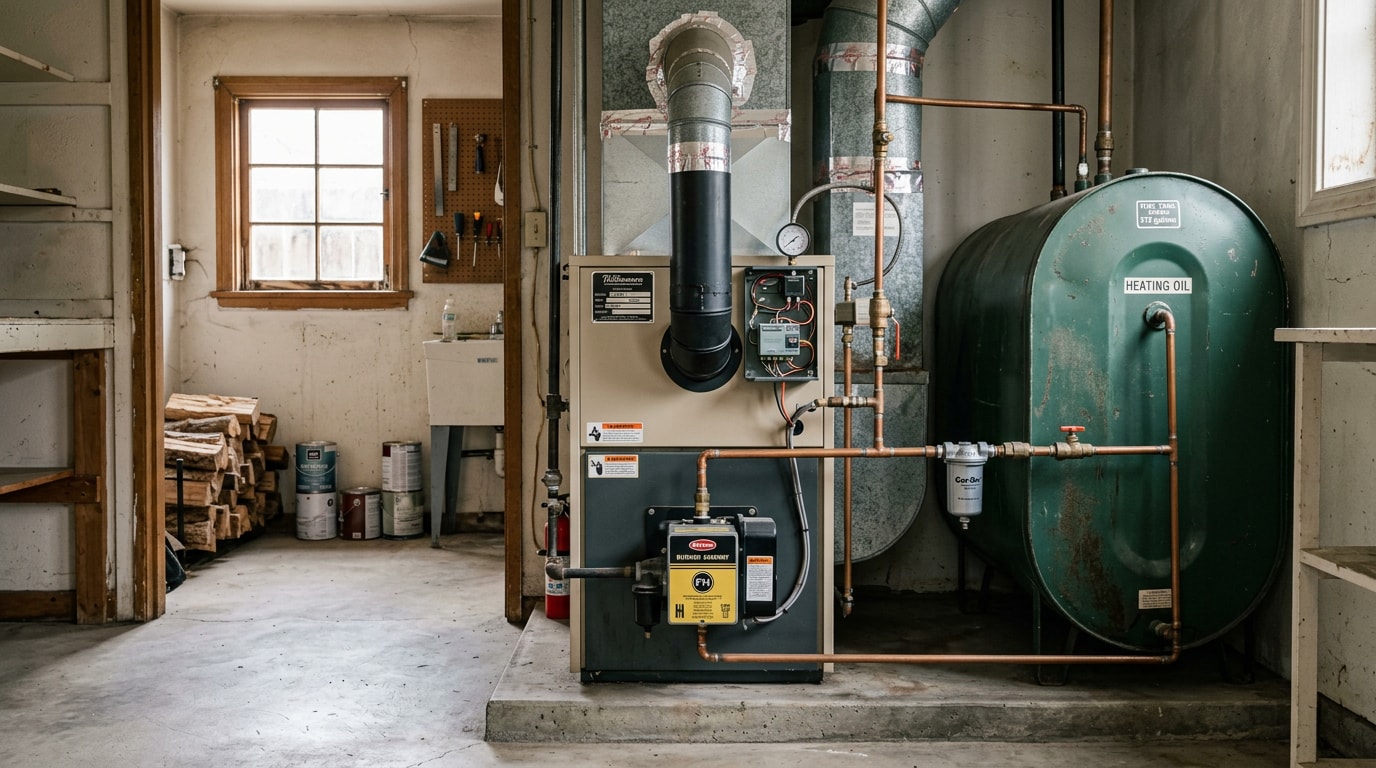
An oil heating system in Palo Alto, CA is the exception now, not the rule, since most of this equipment is leftover gear from homes built before natural gas lines reached the neighborhood. If yours is still running, you're probably weighing one more cleaning and repair against a full swap to gas or electric. Here's what that decision actually costs, what upkeep involves, and when replacement wins.
How Common Is Oil Heat in Palo Alto Homes?
Oil furnaces never took hold in California the way they did in the Northeast, where fuel deliveries became standard decades ago. In the Bay Area, natural gas infrastructure arrived early enough that most mid-century homes, including Palo Alto's Eichlers and ranch-style houses, were built or converted to gas. If you own one of the remaining oil systems, it's almost certainly original equipment from the 1950s through 1970s, which means parts availability and technician familiarity are both shrinking.
That scarcity changes the math on repair versus replace. A part that costs a few dollars for a gas furnace can mean a special order and a multi-week wait for an oil unit, so a single big repair bill often signals it's time to plan a switch rather than keep patching the same furnace.
Oil Heat vs. Gas, Electric, and Heat Pump Systems: Comparing Costs
Palo Alto's mild winters narrow the practical difference between fuel types, but upfront cost, price swings, and upkeep still vary.
| Fuel Type | Upfront Cost | Fuel Price Volatility | Typical Lifespan | Maintenance Burden |
|---|---|---|---|---|
| Oil furnace | Moderate to high (parts scarcity) | High | 15-20 years | Higher (annual cleanings, tank upkeep) |
| Gas furnace | Moderate | Moderate | 15-20 years | Moderate |
| Electric furnace | Lower | Low | 20-30 years | Low |
| Heat pump | Higher | Low | 15 years | Low to moderate |
Furnace efficiency is measured by AFUE, and the federal minimum is set by fuel type. The November 2007 Final Rule revised the energy conservation standards to 80-percent AFUE for non-weatherized gas furnaces and 82-percent AFUE for non-weatherized oil-fired furnaces. In practice, that means a well-maintained oil furnace isn't dramatically less efficient than a mid-tier gas unit, but fuel delivery costs and tank logistics usually tip the long-term math toward gas or a heat pump.
If you're comparing a full system swap, it's worth getting a quote on heat pump installation alongside a straight furnace installation before you commit either way.
What a Professional Oil Furnace Tune-Up Includes
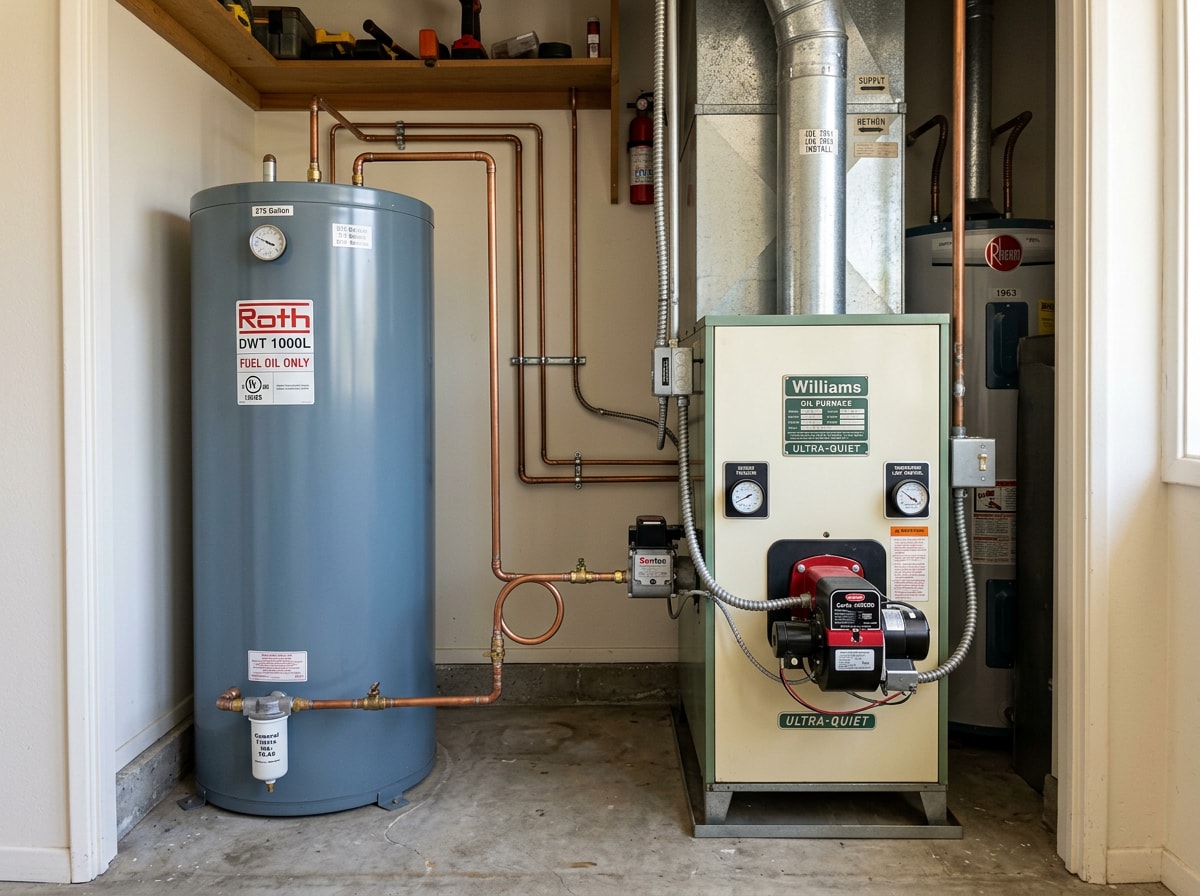
A proper tune-up isn't a quick filter swap. Expect a technician to work through the system methodically:
- Inspect and clean the burner and nozzle
- Check venting and the chimney connection for blockages or corrosion
- Test safety controls, including the primary control and limit switch
- Replace the oil filter and check the fuel line for leaks
- Measure draft and combustion efficiency
- Walk through findings and flag anything trending toward failure
Most providers also offer annual maintenance agreements that bundle priority scheduling with parts discounts. If you're due for service, our furnace maintenance and furnace inspection visits cover all of the above in a single appointment.
Signs Your Oil Furnace Needs Repair
Call a technician promptly if you notice any of the following:
- Banging, clanging, or squealing sounds during startup or cycling
- A burning smell, which can point to an overheating motor
- Weak or inconsistent airflow from vents
- Uneven heating between rooms
- Climbing energy bills without a change in usage
- Soot, unusual odor, or a suspected backdraft near the unit
That last point deserves extra weight with oil-fired equipment specifically. Malfunctioning combustion systems can produce carbon monoxide, and health authorities are direct about the fix: have your heating system, water heater, and any other gas, oil, or coal burning appliances serviced by a qualified technician every year. If something seems off, don't wait for the next scheduled visit. Our furnace repair team handles same-system diagnostics for oil, gas, and electric units alike.
When to Replace an Oil Furnace
Most furnaces last somewhere in the 15 to 20 year range, and replacement becomes the smarter move once repair frequency and declining performance start outweighing the cost of keeping the old unit running. That calculation holds whether you're in an original Eichler, a 1960s ranch, or a newer build, though Eichler-era slab construction and radiant-adjacent layouts can add wrinkles to installation planning that a generalist crew might miss. If your furnace is already past the 15-year mark and needs a repair that costs a third or more of a replacement, it's time to get quotes rather than write another check. Our furnace replacement service includes load calculations specific to older Palo Alto floor plans, not a one-size-fits-all swap.
Caring for Palo Alto's Older Ductwork
Furnace age is only half the story. Many Palo Alto homes were built more than 40 years ago, and the original ductwork underneath them often leaks at every joint or was undersized for the home's current footprint. On recent service calls in neighborhoods like Old Palo Alto and Professorville, our technicians still find original sheet-metal ducting tucked into crawlspaces, uninsulated and gapped where sections meet. Sealing and upgrading that ductwork can meaningfully cut wasted fuel, since an oil furnace burning fuel efficiently doesn't help much if a fifth of the heated air escapes before it reaches a room.
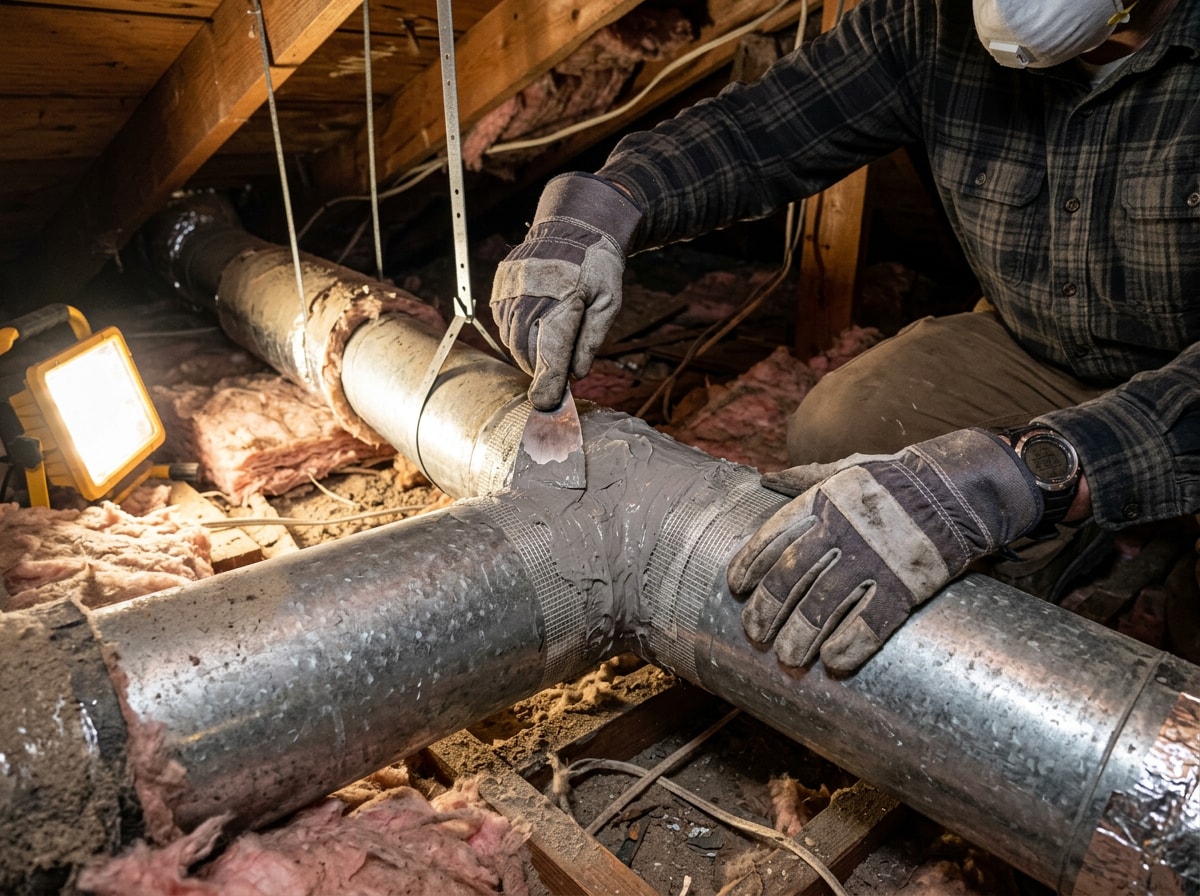
If you haven't had your ducts checked in years, start with a duct inspection, then move to duct sealing if leaks turn up. Our full ductwork contractor services cover both.
What Happens to Your Old Oil Tank?
If you decommission an oil furnace, the tank doesn't just disappear, and this is where a lot of homeowners get surprised mid-sale. Santa Clara County's Department of Environmental Health oversees underground storage tank closures, and HMCD implements this program within the cities of Los Altos, Los Altos Hills, Milpitas, Monte Sereno, Morgan Hill, Palo Alto, San Jose, Saratoga, and unincorporated areas of Santa Clara County. There's a useful exception for most homeowners, though: heating oil tanks located at a personal residence that hold no more than 1,100 gallons are exempt from this program. Most residential tanks fall under that threshold, but it's worth confirming your tank's size and status with the county before you sell or renovate, since a buried tank that surfaces during a home inspection can stall a sale fast.
Choosing a Local Heating Contractor in Palo Alto
Before you hire anyone, confirm the contractor is properly licensed. California's Contractors State License Board runs a free lookup tool built for exactly this: search by license number or business name, then confirm the status is active before signing anything. Beyond licensing, look for a crew with real experience in older and historic homes. Familiarity with Eichler-era construction and pre-1980s ductwork often separates a smooth install from a frustrating one.
Our HVAC contractor team works across Palo Alto, CA and neighboring cities, and we also cover seasonal issues beyond heating. If you're weighing AC problems once summer rolls around, our guide on AC freezing up in Mountain View walks through common causes worth knowing before a system fails on a hot day. For heating specifically, visit our homepage to see the full range of work we handle, or get a free estimate to have a technician look at your current setup before winter.
FAQ
Do homes in Palo Alto still use oil heat?
A small number do, mostly original equipment in homes built before natural gas service reached the area. Most Palo Alto houses were built with or converted to gas furnaces decades ago, so oil systems here are the exception rather than a common setup.
How much oil do I need to heat my house?
A home typically needs about two gallons of oil per day when it's 50°F outside, which means a 275-gallon tank can last roughly four and a half months at that rate. Palo Alto's milder winters likely stretch that further, since the system runs fewer hours per season than it would in a colder climate.
What is the least expensive month to buy heating oil?
Summer months usually bring the lowest heating oil prices because demand drops once heating season ends. It's generally smart to avoid buying between September and April, when demand, and prices, peak.
Is heating with oil less expensive than electricity?
Heating with oil tends to cost less than straight electric resistance heat overall, though this varies by region and current fuel prices. Weigh it against Palo Alto's specific electricity and gas rates, and against a heat pump's efficiency, before deciding.
How often should an oil furnace be serviced?
Oil furnaces generally need servicing once a year, both for performance and for carbon monoxide safety. Homes with heavier use or older units may benefit from a mid-season check to catch wear before it turns into a repair.
Can I convert an oil furnace to gas or electric?
Yes, and most homeowners replacing an aging oil system do exactly that rather than installing another oil unit. The conversion typically involves removing or decommissioning the old tank, running new fuel or electrical connections, and resizing ductwork if the new system has different airflow needs.
What should I do with an old, unused oil tank before selling my home?
Check with Santa Clara County's Department of Environmental Health on whether your tank needs formal closure or falls under the residential exemption. Buyers and lenders often require documentation either way, so sorting it out before listing avoids delays at closing.
About the Author
This guide was written by Marcus Reyes, a NATE-certified HVAC technician with Made Simple Heating and Air who has serviced furnaces, from original oil units to modern heat pumps, throughout Santa Clara County. Questions about your specific system? Contact our team for a straight answer and a free estimate.