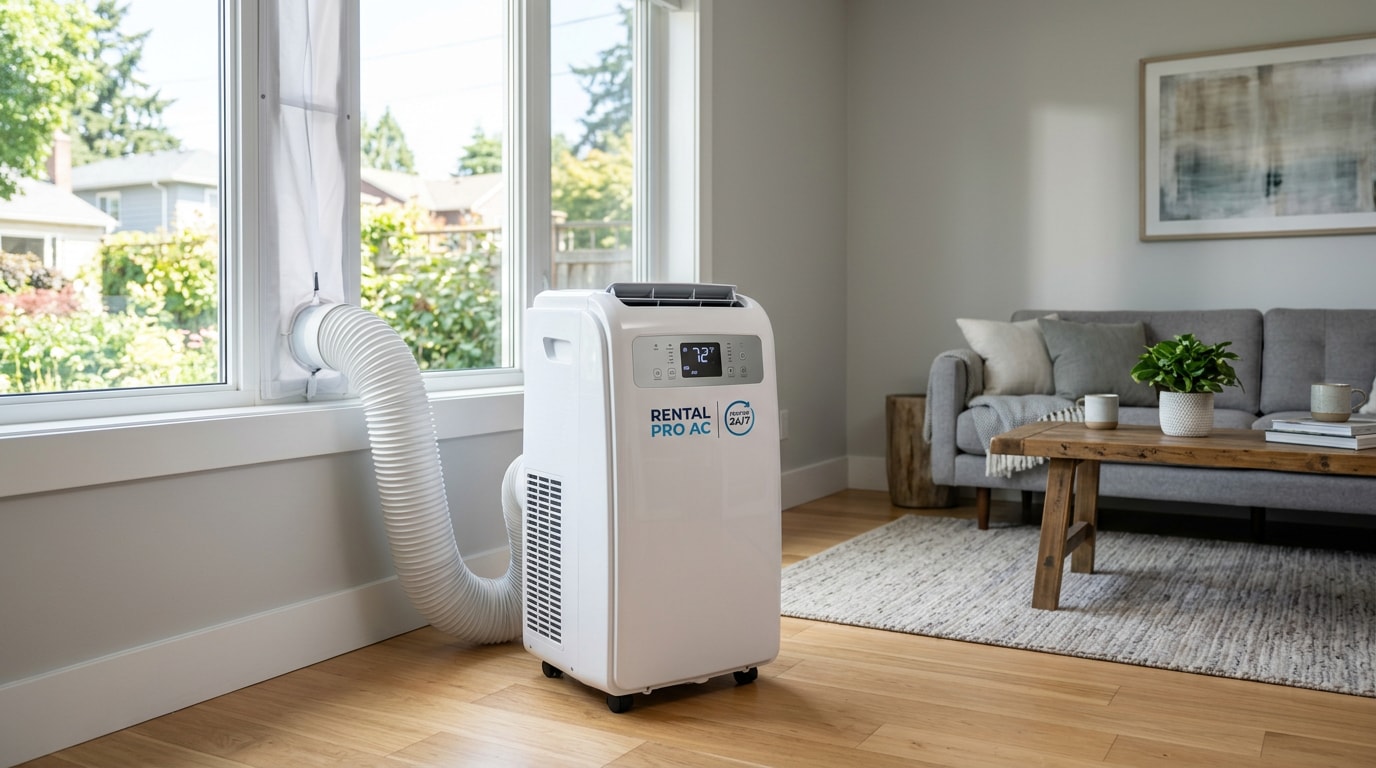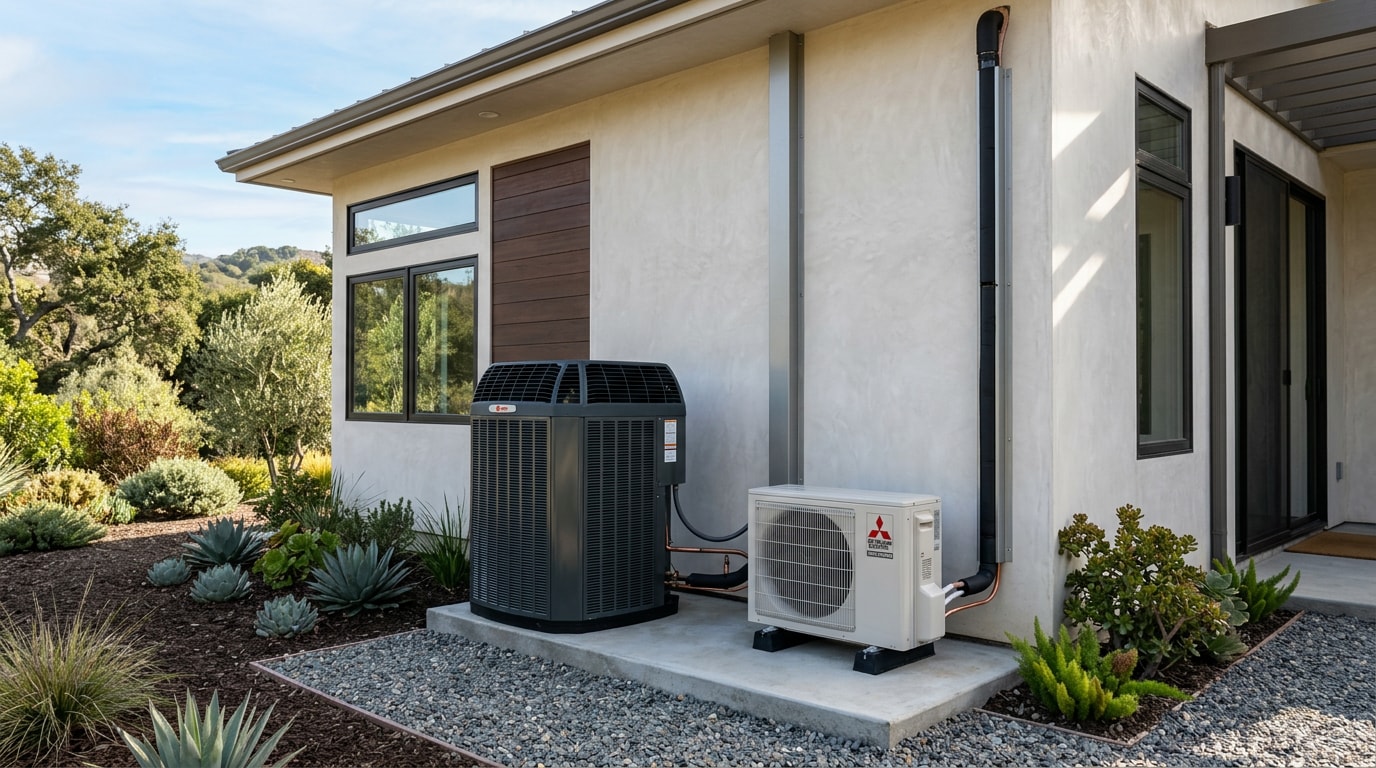
Cupertino's housing stock is a mix of 1960s ranch homes, additions, converted garages, and newer ADUs, many without existing ductwork. An ac mini split Cupertino, CA homeowner installs solves that gap without the mess of adding ducts. This guide covers system types, real 2026 pricing, the installation process, and the questions locals ask most before contacting our Cupertino HVAC team.
Types of Mini-Split Systems: Single-Zone vs. Multi-Zone
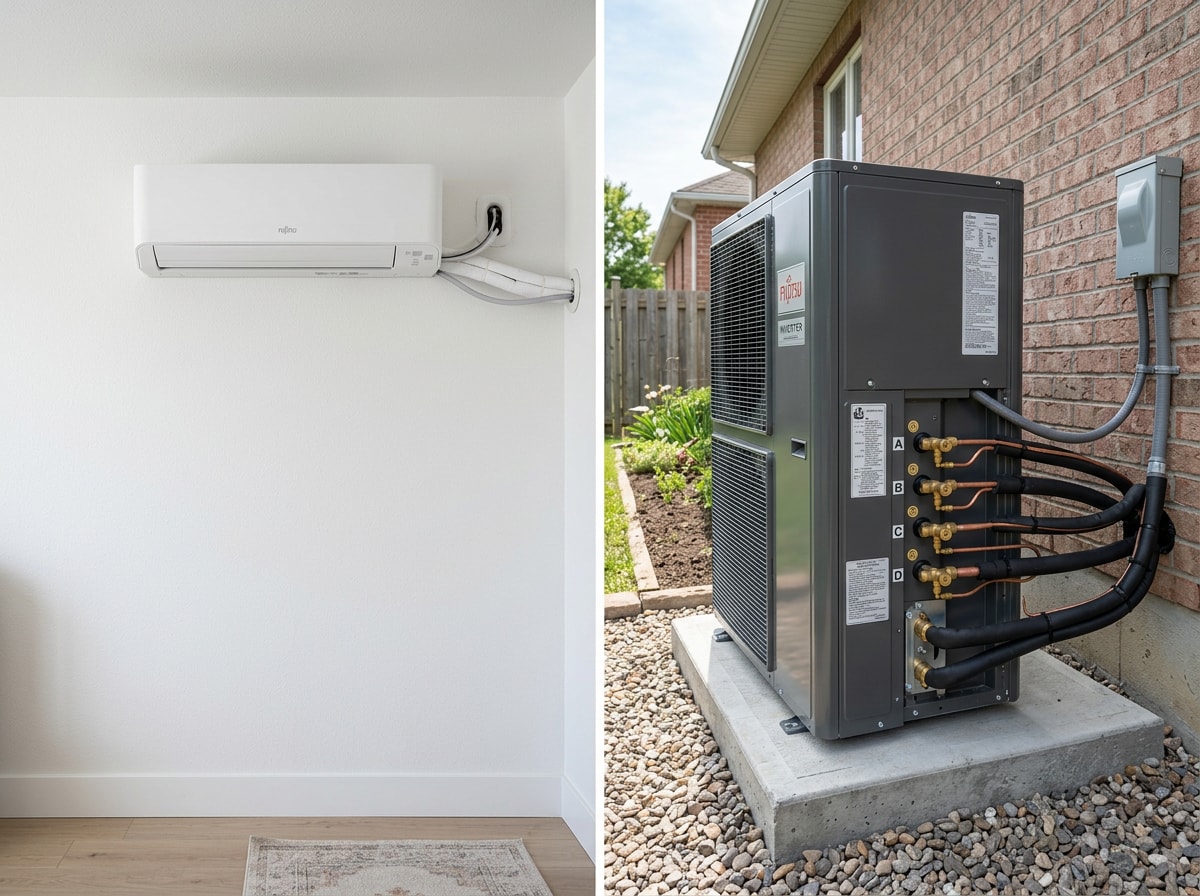
Ductless mini splits from brands like Mitsubishi, Fujitsu, and Daikin come in two basic layouts.
- Single-zone mini split: cools (and usually heats) one room or addition with a single indoor head and outdoor condenser.
- Multi-zone ductless system: connects 2 to 5 indoor heads to one outdoor unit, built for whole-home zoned comfort.
- Floor-console or short-duct units: used for tricky layouts where a wall-mounted head won't fit.
Almost every residential mini split sold today is built on heat pump technology, meaning the same system heats in winter and cools in summer. If you're weighing a mini split against a standard heat pump that ties into existing ducts, our heat pump installation page breaks down that comparison in more detail.
2026 Mini-Split Installation Cost in Cupertino
Pricing depends on zone count, wall-run length, electrical work, and brand efficiency tier. Here's a typical breakdown for installed systems in the Cupertino area:
| System Type | Typical Installed Price |
|---|---|
| Single-zone | $3,500 – $6,000 |
| 2–3 zone multi-zone | $7,000 – $12,000 |
| Whole-home (4–5 zone) | $13,000 – $20,000+ |
A few cost drivers specific to Cupertino's housing stock:
- Electrical panel capacity. In the Monta Vista and Garden Gate neighborhoods, we regularly find original 100-amp panels already near their limit, which means a mini split's dedicated circuit may require a panel upgrade before install day.
- Line-set routing. Stucco and double-brick exterior walls common in older Cupertino homes often need longer core-drill bits than a stock installation kit includes.
- Rebates and tax credits. Qualifying heat pump mini splits can be eligible for a federal tax credit on ENERGY STAR certified equipment, on top of any utility-specific incentives.
If you're also comparing a full system replacement instead of adding a zone, our AC replacement page walks through that decision. Ready to get numbers for your home? Get a free estimate before committing to a system size.
Benefits: Zoned Comfort & No Ductwork Required
Zoned cooling lets each room hold its own temperature, so no one argues over the thermostat. One of the biggest draws of a ductless install is skipping ductwork entirely, a real win for older homes, additions, garages, and sunrooms where running new ducts isn't practical or affordable. For a straightforward central AC swap where ducts already exist and work well, our air conditioner installation page covers that path instead.
Common Mini-Split Problems in Cupertino Homes
Poor indoor head placement, long refrigerant line runs, and insufficient electrical capacity are the most common issues local installers run into. A few other recurring mistakes:
- Bad condensate drain routing that lets water pool near the wall penetration.
- Skipping HOA or city permit approval before work starts.
- Undersizing or oversizing the unit for the room, which causes short-cycling and clammy air.
All of these are avoidable with an experienced crew and a proper load calculation before equipment is ordered.
Installation Concerns: Sizing & Ducted vs. Ductless
Correct HVAC sizing through a proper load calculation prevents short-cycling and uneven comfort, two problems that show up fast in an oversized single-zone unit. Homeowners also weigh ducted vs. ductless options depending on whether usable ductwork already exists in the home. If your ducts are leaky, undersized, or missing in the room you want to condition, patching them can cost more than going ductless in that one space.
The Mini-Split Installation Process in Cupertino
A licensed installer handles equipment selection, placement, electrical work, old-unit removal, and final commissioning as one coordinated project, typically completed in a single day for a single-zone system.
Recommended Indoor and Outdoor Unit Placement
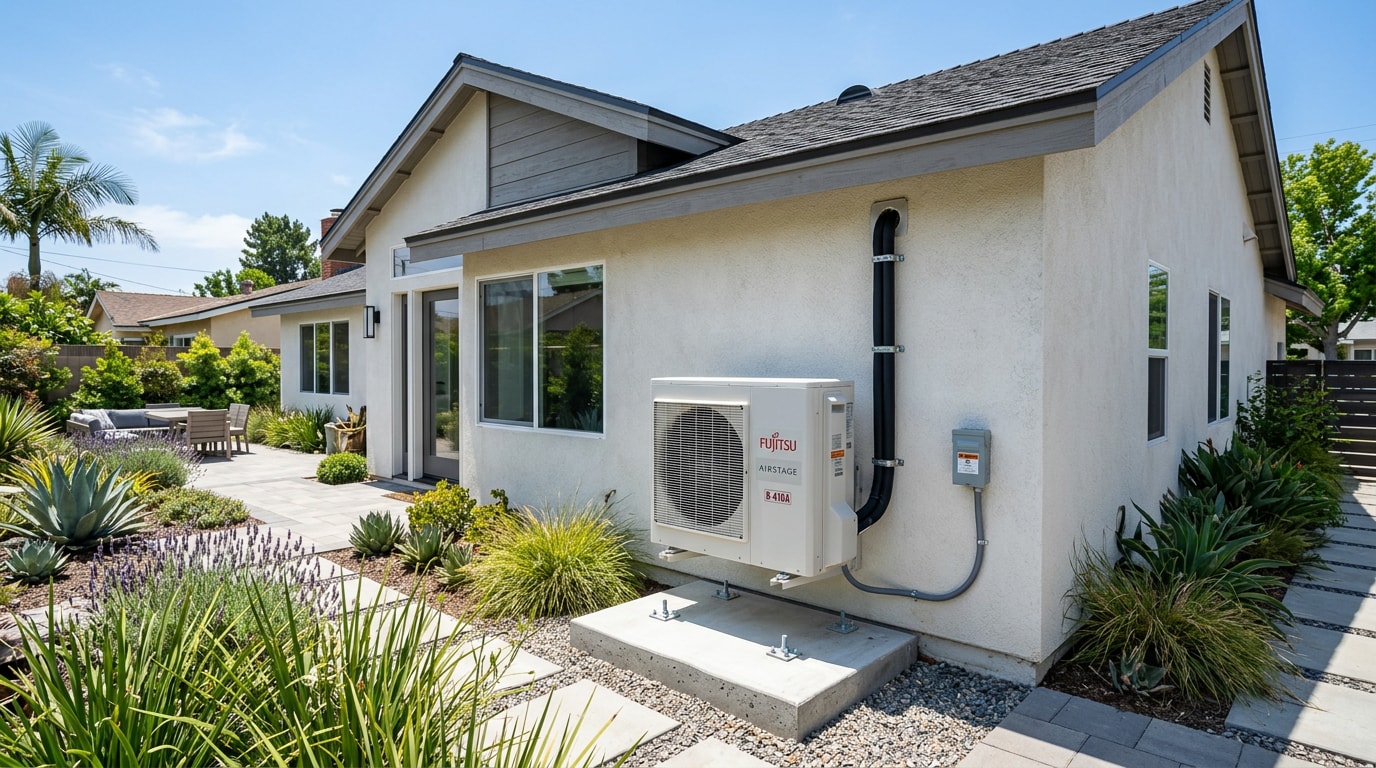
Indoor unit placement should sit high on the wall, clear of direct sunlight and furniture, and never directly above a bed. Outdoor condenser placement needs a level, shaded pad with service clearance; California installs commonly use a bolted or seismic-strapped pad for stability. If the condenser will sit in full afternoon sun, a condenser shade kit can help it run more efficiently; see our AC shade kit guide for Santa Clara County homes for what actually pays off versus what's just marketing.
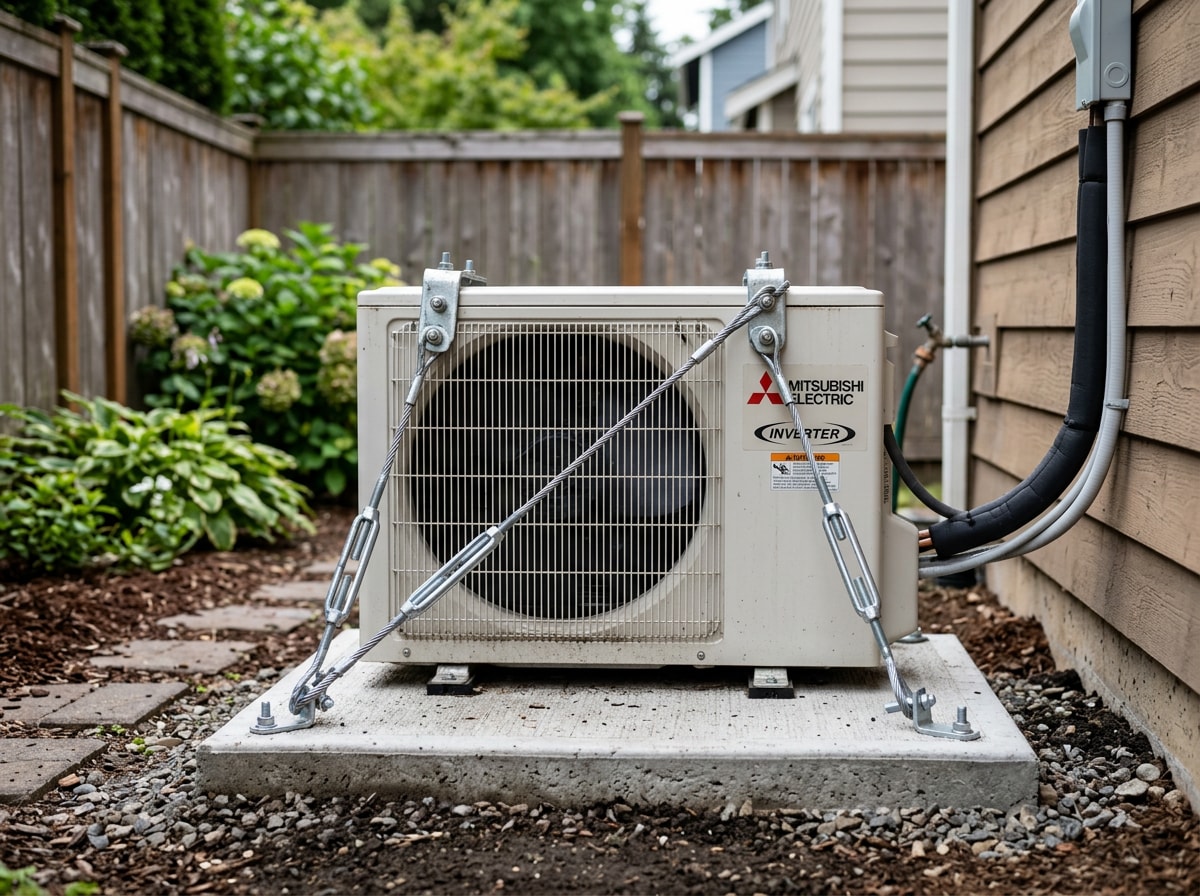
Electrical and Mounting Requirements
Mini splits need a dedicated circuit and a proper disconnect box, sized and located per the National Electrical Code. The National Electrical Code is the benchmark standard that governs where that disconnect has to sit and how the circuit is sized. The National Electrical Code® (NEC®) serves as the foundational code for electrical system applications and is the benchmark for safe electrical design, installation, and inspection. Under NEC Article 440, a disconnecting means has to sit within sight of and be readily accessible from the condenser, which is why this part of the job goes to a licensed electrician rather than a DIY install kit. See the NFPA's guide to understanding NFPA 70 for the full scope of what the code covers.
Removal of Old Units and Refrigerant Handling
Replacing an older system means certified refrigerant recovery, plus patching and refinishing the wall where the old line set ran. Anyone removing refrigerant from a refrigeration or air-conditioning appliance must evacuate refrigerant to a set level using certified refrigerant recovery equipment before servicing or disposing of the appliance. That requirement comes straight from EPA Section 608 regulations, and it's one more reason refrigerant work isn't a DIY job. If an old system is leaking rather than being replaced outright, our refrigerant leak repair page covers diagnosis and repair options.
For homeowners starting from scratch on their HVAC plan, Made Simple Heating & Air can walk through whether a mini split, a ducted heat pump, or a straight AC replacement fits your home and budget best.
FAQ
How long does mini-split installation take in Cupertino?
Most single-zone installs finish in a single day. Multi-zone systems take longer depending on indoor unit count, home layout, and project complexity.
Is a mini split more efficient than central AC for a Cupertino home?
Ductless mini splits commonly reach 20 to 27 SEER2, well above the federal minimum. Split system air conditioners throughout the Southeast and Southwest must have a SEER2 rating of 14.3 or higher if they have a capacity less than 45k BTU , and split system heat pumps must have a SEER2 of 14.3 or higher in all regions . Ductless systems also skip the duct losses that drag down a central AC's real-world efficiency. See Trane's SEER2 overview for the full regional breakdown.
Do mini splits work in older homes without ductwork?
Yes. Mini splits are built for spaces without existing ducts, making them ideal for older homes, additions, garages, and sunrooms, with far less invasive installation than traditional ducted HVAC.
Will a mini-split heat my room in winter too?
Most mini splits sold today are heat pumps that handle both jobs. Cold-climate rated models hold onto their heating output much better than standard units in cold weather. Hyper-heating systems can perform at 100 percent of rated capacity in outdoor ambient temperatures as low as 5° F with guaranteed operation down to -13° F. Standard, non-cold-climate heat pumps start losing meaningful capacity well before that point, so ask your installer which tier you're getting if winter performance matters to you. Either way, Cupertino's mild winters rarely come close to testing those limits. See Mitsubishi Electric's explainer on cold-climate heat pump performance for more detail.
Do I need a permit to install a mini split in Cupertino?
Yes. A mini split involves new electrical circuitry and refrigerant line penetrations through an exterior wall, which typically triggers mechanical and electrical permits from the City of Cupertino. A licensed contractor pulls these permits as part of the job and schedules the required inspections, so confirm this is included before you sign a quote.
Which AC system suits Cupertino's hillside and valley homes best?
Hillside homes often run warmer in summer than valley-floor properties, favoring stronger cooling or zoned systems. Central AC works well where ductwork exists; ductless mini splits fit additions and homes without ducting. See our Cupertino service area page for neighborhood-specific guidance, or contact us directly for a site-specific recommendation.